What Is a Colonoscopy?
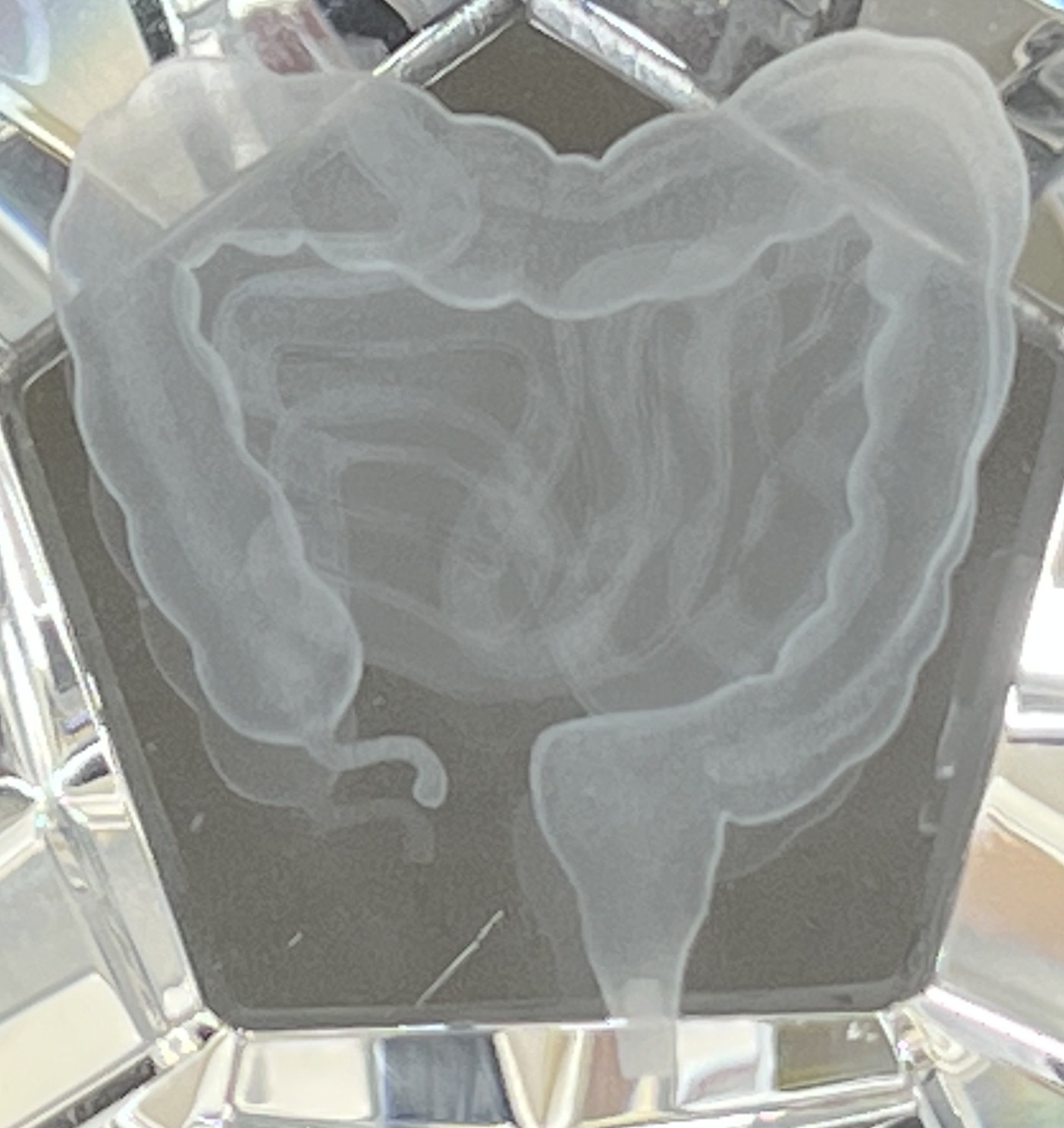
A colonoscopy is an examination that allows the doctor to directly view the inside of the colon and rectum using a thin, flexible endoscope equipped with a small camera.
The examination provides detailed images of the lining of the large intestine. When appropriate, the doctor may also examine the terminal ileum, the final part of the small intestine.
Colonoscopy can help identify abnormalities and changes that may require
further evaluation or treatment. When appropriate, diagnostic or therapeutic
procedures, such as a biopsy or polyp removal, may also be performed during
the examination.
What Can Colonoscopy Detect?

Colonoscopy allows the doctor to directly examine the lining of the colon
and rectum and can help identify and evaluate a range of conditions, including:
• Inflammatory bowel disease (IBD), including ulcerative colitis and Crohn’s disease
• Diverticulosis of the colon
• Colon polyps
• Benign tumors
• Colorectal cancer, including cancer of the colon and rectum
Colonoscopy can play an important role in the early detection of colorectal cancer and other abnormalities of the lower gastrointestinal tract.
Please note that colonoscopy examines the lower gastrointestinal tract and does not examine the stomach. A gastroscopy is required to examine the stomach and other parts of the upper gastrointestinal tract.
Detailed Examination and Polyp Removal During Colonoscopy
Our high-definition endoscopy system allows the doctor to examine the lining of the colon in detail and identify subtle abnormalities.
When appropriate, tissue samples can be taken for pathological examination (biopsy) during the colonoscopy. Polyps identified during the examination may also be removed endoscopically, depending on their size, shape, location, and other clinical factors.
Removed polyps are sent for pathological examination to determine their
characteristics and check for abnormal or cancerous cells.

Colonoscopy for Colorectal Cancer Screening
Colonoscopy plays an important role in the screening and early detection of colorectal cancer. It can help identify colorectal cancer and precancerous changes at an early stage, including in people who do not have noticeable symptoms.
Depending on your age, medical history, family history, and individual
risk factors, the doctor may recommend colonoscopy as part of your preventive
care.
Comfort, Precision, and an Individualized Approach
Our clinic uses a high-resolution endoscopy system to provide clear, detailed images of the lining of the colon.
Because the length, shape, and curvature of the colon vary from person to person, the doctor takes each patient's individual anatomy into account when performing the examination.
We aim to make the examination as comfortable as possible while carefully
evaluating the lining of the colon for abnormalities that may require further
evaluation or treatment.
Why Choose Horii Clinic for Your Colonoscopy?

At Horii Clinic, colonoscopy is performed by an experienced specialist in gastrointestinal endoscopy using advanced, high-resolution endoscopy equipment.
We take each patient's individual needs and anatomy into account and aim
to provide a careful, detailed examination with as little discomfort as
possible.
Our Approach to Colonoscopy

Experienced Endoscopy Specialist
Colonoscopy is performed by an experienced specialist in gastrointestinal endoscopy.
Careful, Detailed Examination
We allow at least 20 minutes for careful observation, giving the doctor
sufficient time to examine the lining of the colon in detail and identify
subtle abnormalities.
When May Colonoscopy Be Recommended?

Colonoscopy may be recommended when certain conditions affecting the lower gastrointestinal tract are suspected or require further evaluation.
These may include:
Inflammatory conditions
Enteritis, Crohn’s disease, and ulcerative colitis
Vascular and structural conditions
Ischemic colitis and diverticulitis
Polyps and tumors
Colon polyps and colorectal cancer, including cancer of the colon and rectum
Other conditions
Behçet’s disease, hemorrhoids, and, in some cases, evaluation as part of
the differential diagnosis of appendicitis
When Should You Consider a Colonoscopy?

A colonoscopy may be recommended if you have persistent or unexplained symptoms, abnormal test results, certain risk factors, or a condition that requires further evaluation or follow-up.
Digestive Symptoms
• Blood, mucus, or pus in the stool
• Persistent or frequently recurring constipation
• Persistent bloating or excessive gas
• Abdominal pain or discomfort
• A persistent feeling of incomplete bowel movements
• A suspected foreign object in the lower part of the colon or rectum
General Symptoms and Abnormal Test Results
• Unexplained anemia
• Unexplained weight loss
• Persistent fatigue or weakness without a clear cause
• Persistent low-grade fever of unknown cause
• Elevated tumor markers
Colorectal Cancer Screening and Follow-Up
Colonoscopy may also be recommended:
• When a benign or malignant tumor is suspected
• When metastatic cancer has been identified elsewhere and the primary
site needs to be investigated
• If you have a family history of colorectal cancer
• For colorectal cancer screening, even if you do not have symptoms
• For follow-up after previous removal of colon polyps
The appropriate age to begin screening and the interval between examinations depend on your medical history, family history, previous findings, and individual risk factors. Your doctor will recommend an appropriate schedule for you.
Other Medical Reasons
Colonoscopy may also be used:
• To assess the effectiveness of treatment
• To further evaluate or confirm a previous diagnosis
• As part of an evaluation before planned surgery
Advanced Fujifilm Endoscopy Technology
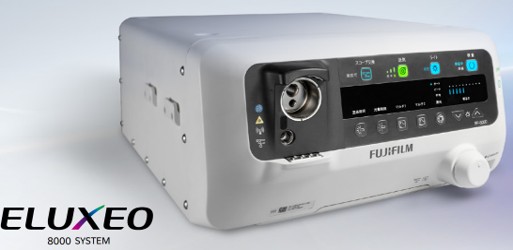
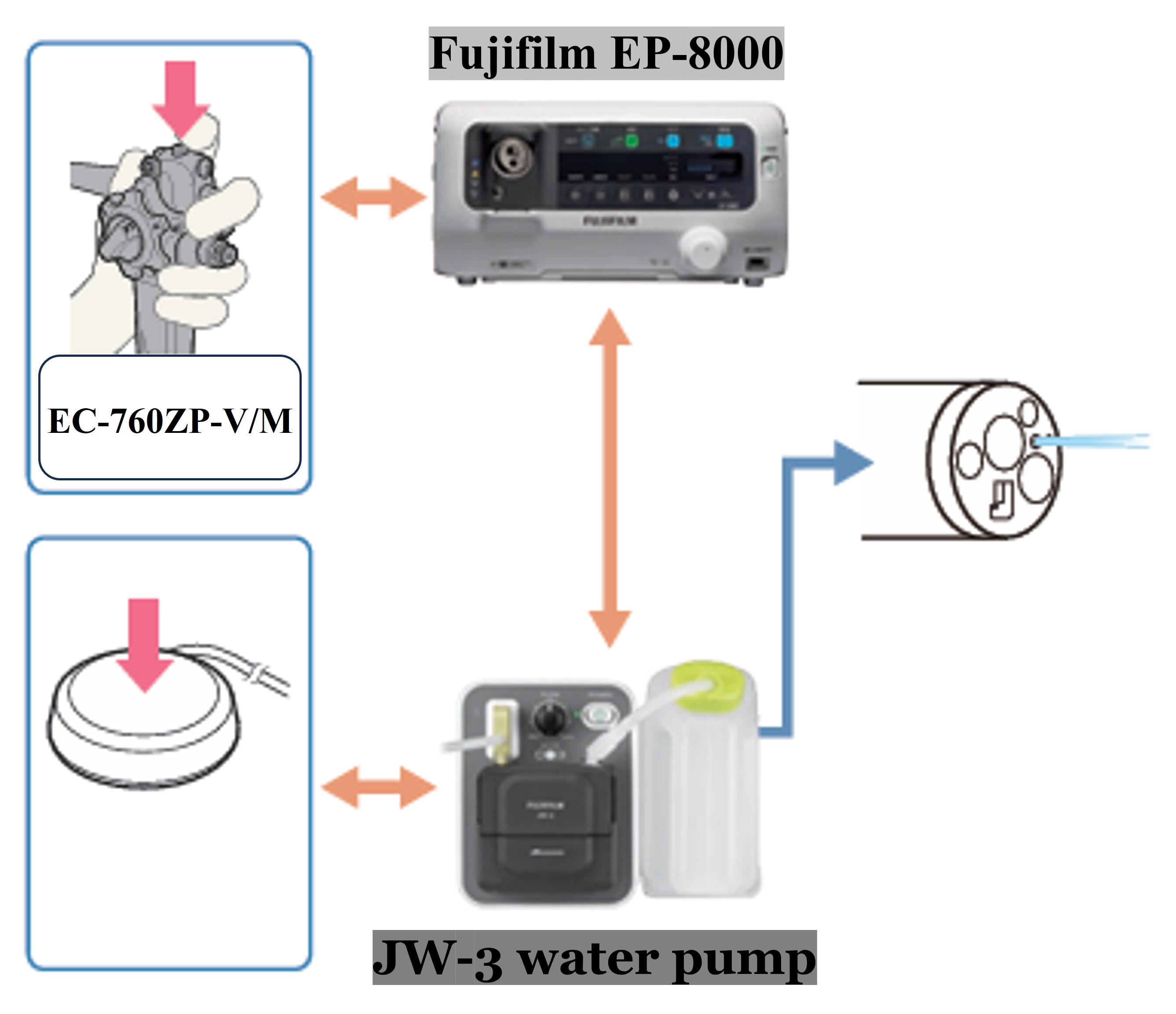
Our clinic uses the Fujifilm EP-8000 endoscopy system with the EC-760ZP-V/M colonoscope for high-resolution examination of the colon.
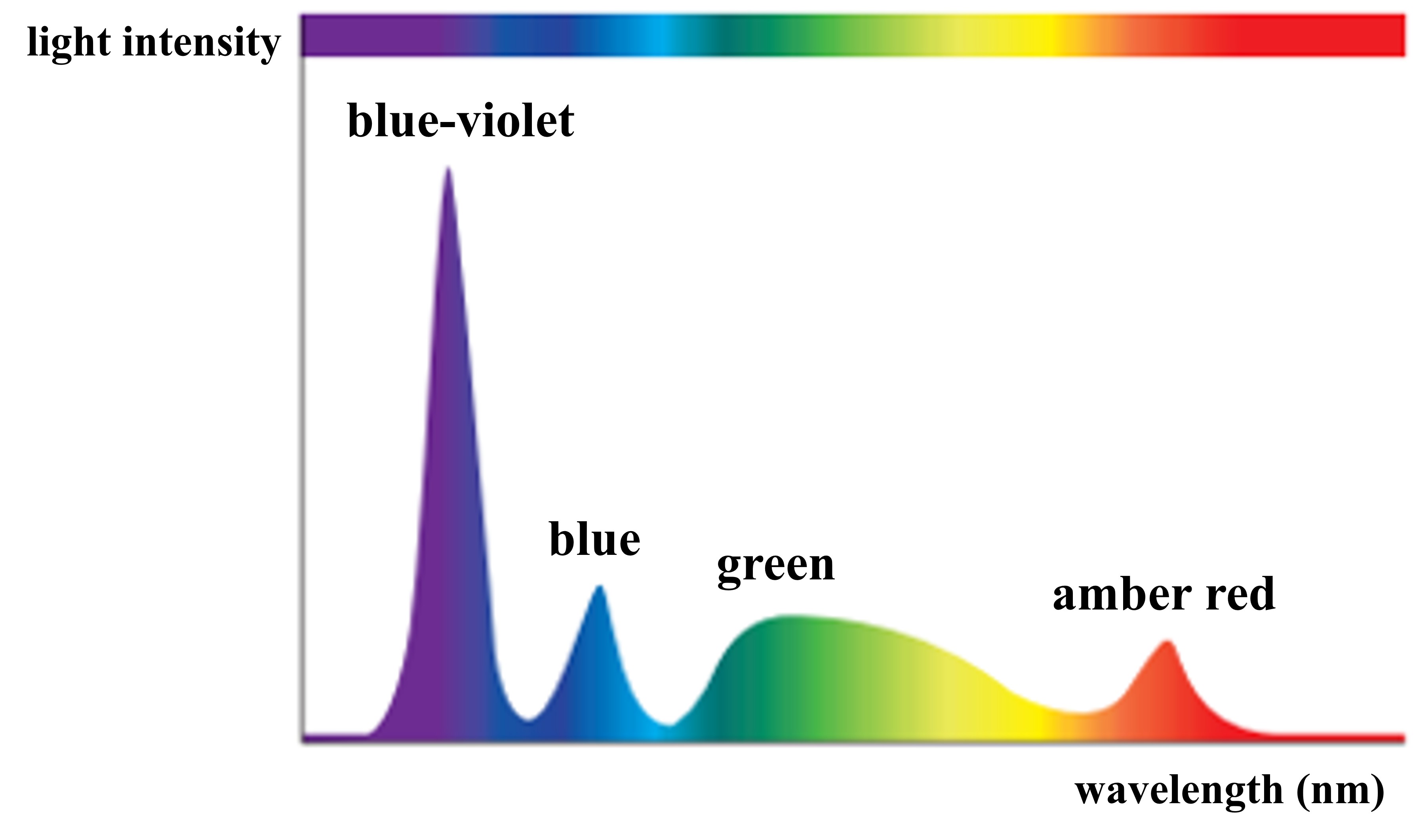
The system incorporates 4-LED Multi-Light Technology and advanced digital image processing to provide clear, detailed images of the colon lining.
BLI (Blue Light Imaging)
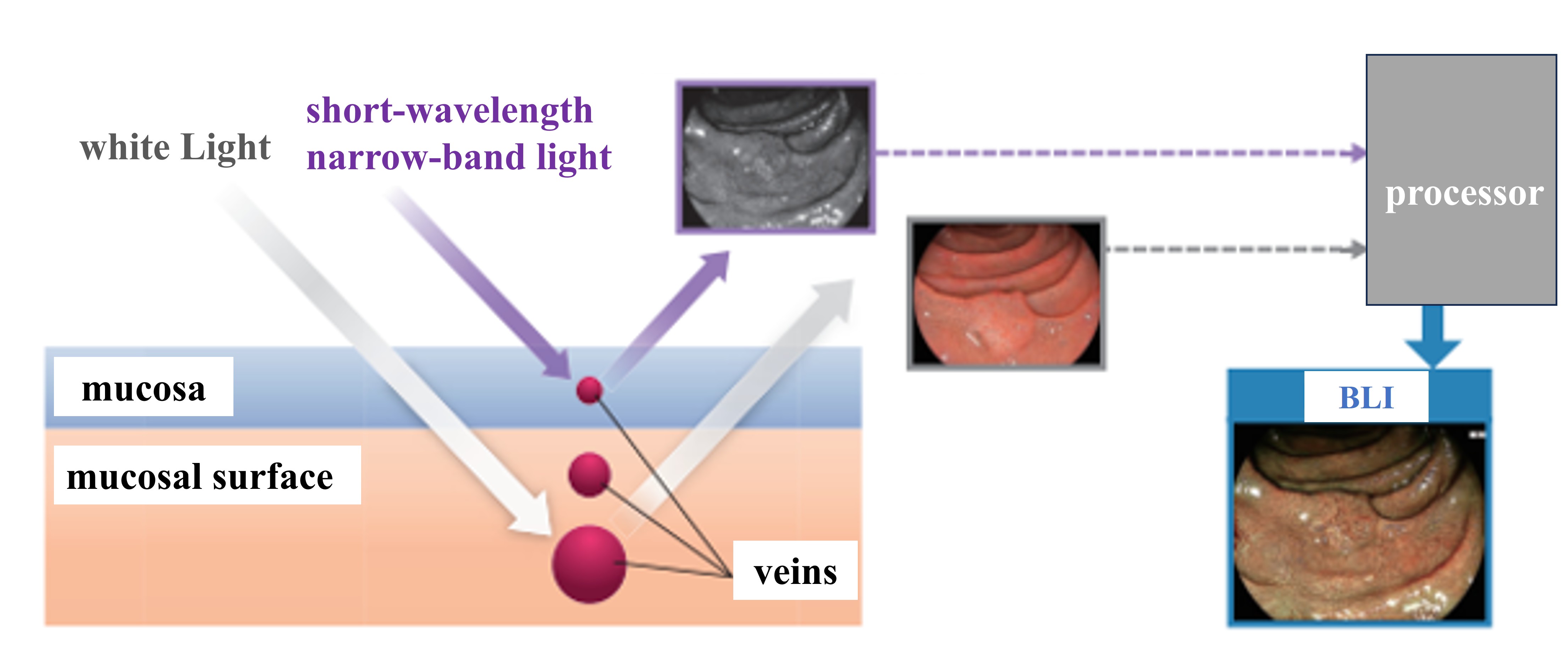
BLI uses specific wavelengths of light to enhance the visualization of surface structures and blood vessel patterns. This can help the doctor identify and closely evaluate subtle abnormalities.

LCI (Linked Color Imaging)
LCI enhances differences in color within the colon lining, helping the doctor identify subtle changes and more clearly evaluate the boundaries between normal and abnormal areas.

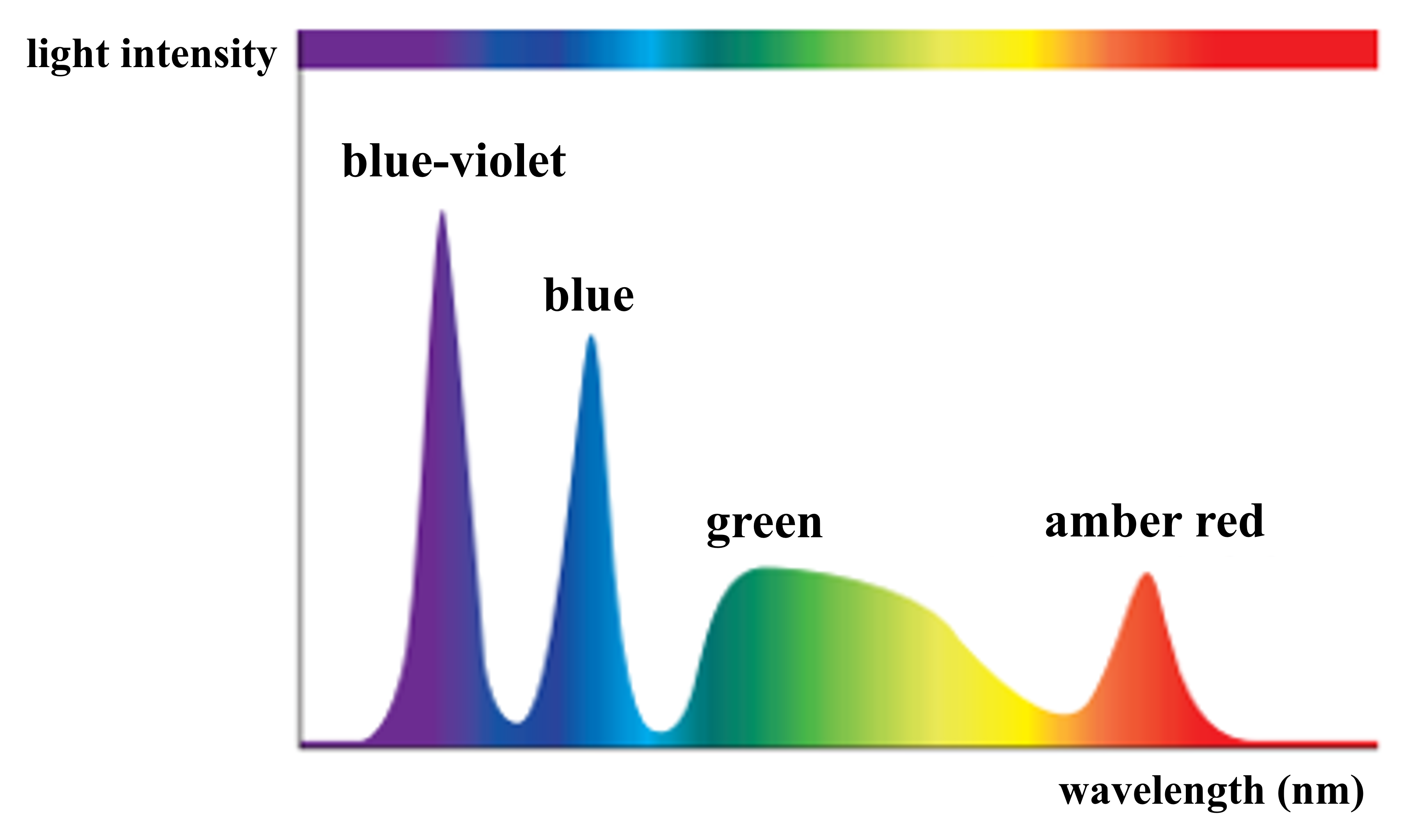
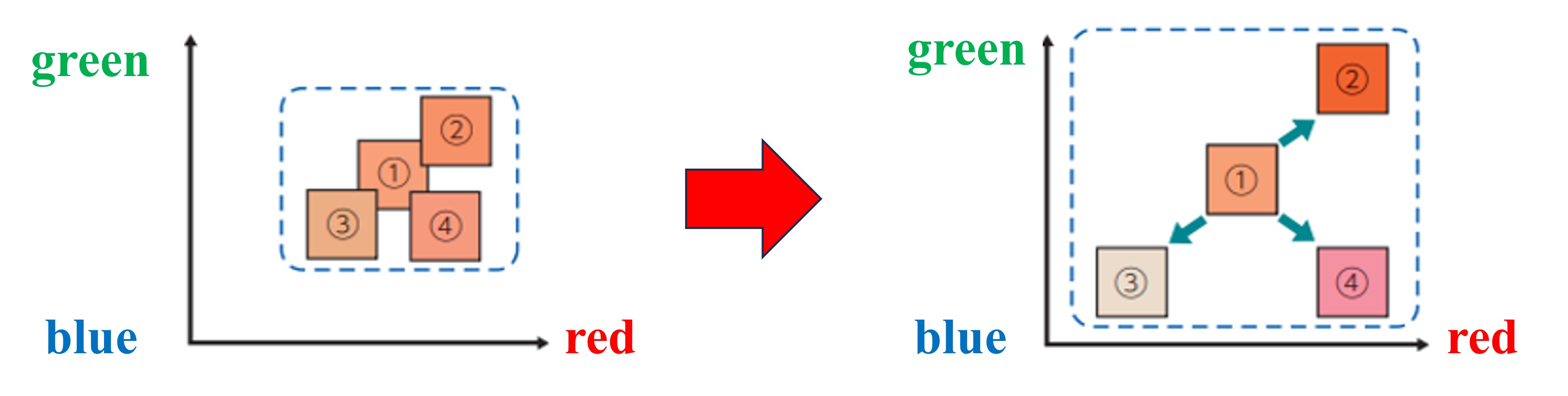
These image-enhancement technologies support careful examination and help
the doctor determine whether further evaluation, biopsy, or treatment may
be appropriate.
Technology for Comfort and Detailed Examination
In addition to advanced image-enhancement technology, our colonoscopy system includes several features designed to support patient comfort and detailed examination.
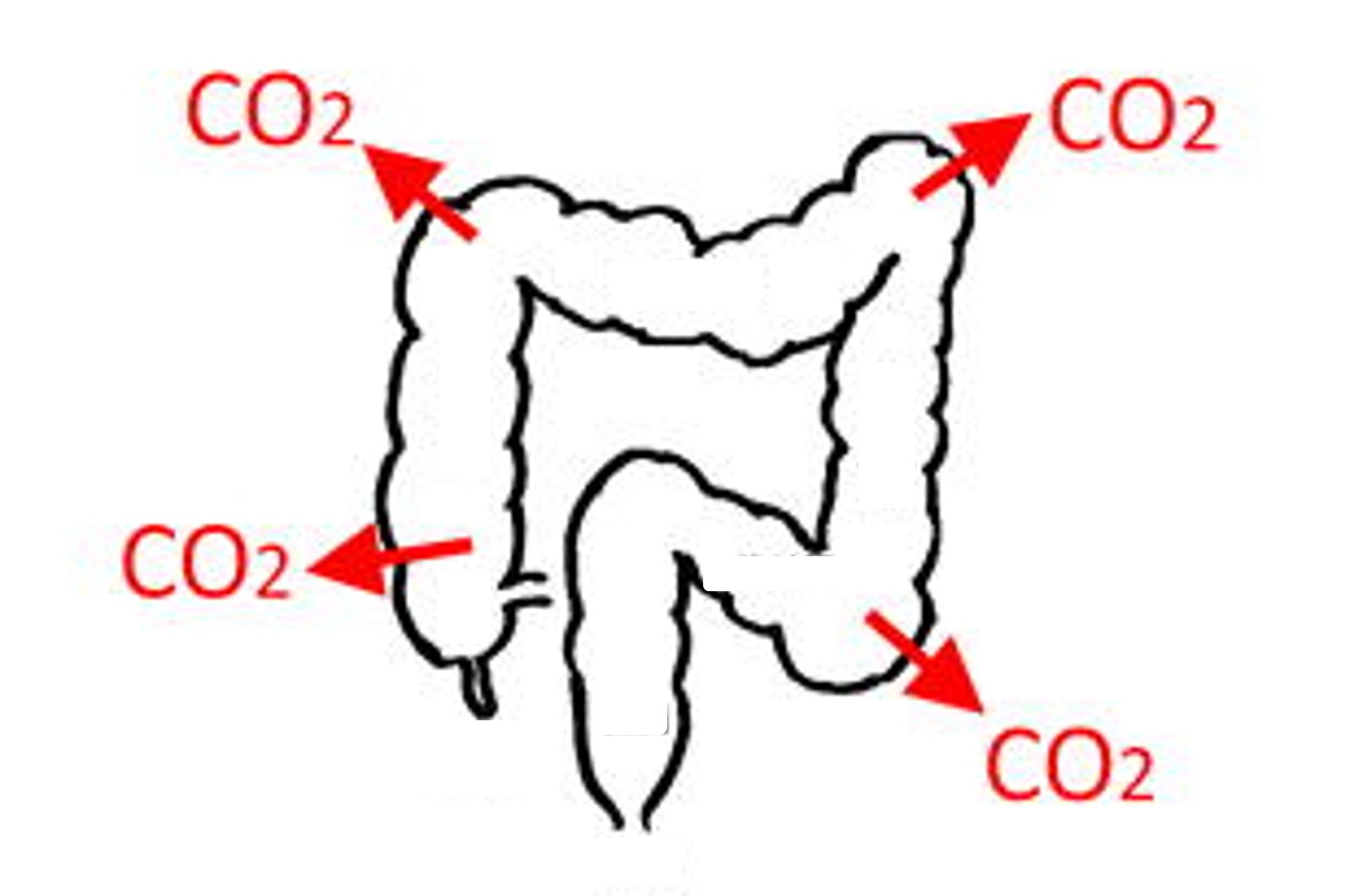
CO₂ Insufflation
During colonoscopy, carbon dioxide (CO₂) is used instead of regular air to gently expand the colon for examination. Because CO₂ is absorbed by the body more quickly than air, it can help reduce abdominal bloating and discomfort during and after the procedure.
Dual Focus Magnification
Our colonoscope provides optical magnification of up to 75×, allowing the doctor to closely examine the surface structure of the colon lining and small blood vessel patterns.
Chromoendoscopy
When necessary, a contrast dye such as indigo carmine may be applied to the colon lining. This can help the doctor evaluate the surface structure and boundaries of an abnormal area in greater detail.
Targeted Biopsy
If an abnormal area requires further evaluation, a small tissue sample can be taken using specialized biopsy forceps. The sample is then sent for pathological examination.
Water-Jet System
The Fujifilm JW-3 water pump can be used to wash away residual material and bubbles during the examination, helping maintain a clear view of the colon lining.
Comfort During Colonoscopy
If intravenous sedation is not used, medications may be given before the examination to help reduce discomfort and intestinal spasms. Local anesthetic may also be applied around the anal area to make insertion of the colonoscope more comfortable.
The type of preparation and medication used will be determined according to your individual condition and the planned examination.
Throughout the procedure, we aim to minimize discomfort while allowing
the doctor to carefully examine the lining of the colon for polyps, precancerous
changes, and other abnormalities.
When Colonoscopy May Need to Be Postponed or Require Special Precautions
Colonoscopy may not be appropriate in certain medical situations. In other cases, the examination may need to be postponed or performed with additional precautions.

Conditions That May Prevent or Delay Colonoscopy
These may include:
• A recent heart attack or stroke
• Suspected or confirmed gastrointestinal perforation or peritonitis
• Severe heart or respiratory failure
• Severely uncontrolled high blood pressure

Conditions Requiring Individual Assessment
Special consideration may be needed if you:
• Are pregnant
• Have an acute infection with fever
• Have acute or severe diverticulitis
• Have extensive abdominal adhesions
• Are experiencing a severe flare of inflammatory bowel disease
The doctor will review your current health, medical history, and any relevant test results before deciding whether and when colonoscopy can be performed safely.
Please let the clinic know in advance about any significant medical conditions,
pregnancy, recent hospitalization, or other health concerns.
Preparing for Your Colonoscopy
Proper bowel preparation is essential for a clear and accurate colonoscopy.
If the colon is not sufficiently clean, the examination may need to be repeated.
Please follow the preparation instructions provided by your doctor carefully and do not make changes on your own.
Step 1: Diet Before Your Colonoscopy
For several days before your colonoscopy, please follow a low-residue diet to help prepare your bowel for the examination.
Foods Recommended
Choose simple, easy-to-digest foods such as:
• Clear soups or broths
• Lean meat or fish, prepared simply
• Eggs
• Plain bread or toast
• Other low-residue foods recommended by the clinic




Foods to Avoid
Please avoid foods that are difficult to digest or may leave residue in
the colon, including:
• Raw vegetables and high-fiber foods
• Mushrooms
• Seaweed
• Seeds and nuts
• Fruits with seeds or skins
• Fatty or fried foods





Please follow the specific dietary instructions provided by the clinic, as preparation requirements may vary.
Step 2: The Day Before Your Colonoscopy
Have a light breakfast and finish all solid food by 8:00 a.m.
After 8:00 a.m., do not eat any solid food. You may drink clear liquids,
such as:
• Water
• Clear tea
• Clear broth



Please avoid milk, juice with pulp, and other drinks that are not clear.
Follow any additional instructions provided by the clinic regarding your
diet and bowel preparation.
Step 3: The Day of Your Colonoscopy
On the morning of your examination, begin taking the prescribed bowel preparation
solution from 8:00 a.m., following the instructions provided by the clinic.
If you have chronic constipation, you may be advised to take additional
laxatives for several days before the examination.
On the day of your colonoscopy:
• Do not eat any food.
• Do not smoke or chew gum.
• Follow the clinic’s instructions regarding when to stop drinking fluids
before your appointment.
Please take the bowel preparation exactly as instructed. If you have difficulty
completing the preparation or have any concerns, contact the clinic for
advice.
Medications Before Your Colonoscopy
Please tell the doctor about all medications and supplements you are currently taking before your colonoscopy.
Iron and Bismuth-Containing Medications
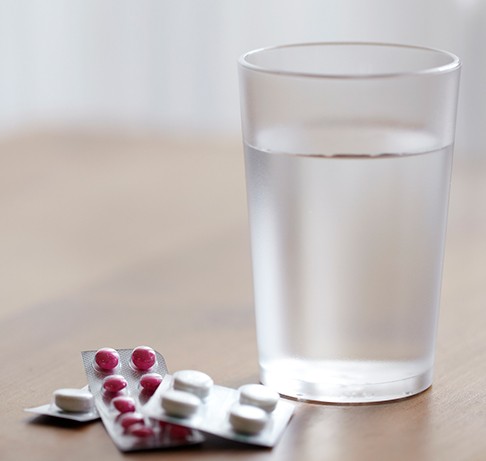
The source instructions state that iron supplements and medications containing bismuth should be stopped the day before the examination. Please follow the specific instructions provided by the clinic.
Blood-Thinning Medications
If you take anticoagulants or antiplatelet medications, please inform the
doctor in advance.
Do not stop or change these medications on your own.The doctor will advise you on how to manage them before the examination.
Regular Medications
Please tell the doctor about any medications you take regularly. You will be advised whether and when to take them on the day of your examination.
Diabetes Medications
If you take medication for diabetes or use insulin, please discuss this with your doctor in advance. Special instructions may be required because you will need to fast before the examination.
How Long Does a Colonoscopy Take?

A standard colonoscopy usually takes at least 20 minutes.
If additional procedures, such as a biopsy or polyp removal, are required, the examination may take approximately 40–60 minutes.
The total time may vary depending on the findings and the procedures performed.
What to Expect During Your Colonoscopy
Step 1: Getting Ready
You will be asked to remove your clothing from the waist down, including your shoes, and change into disposable examination shorts provided by the clinic.
You will then lie on your left side on the examination bed with your knees slightly bent toward your chest.
Step 2: Local Anesthesia and Medication
Local anesthetic gel is applied around the anal area to help reduce discomfort during insertion of the colonoscope.
If necessary, medication may also be given to reduce intestinal spasms and make the examination easier to perform.
During the procedure, please try to relax, remain as still as possible, and follow the instructions of the doctor and medical staff.
Step 3: During the Examination
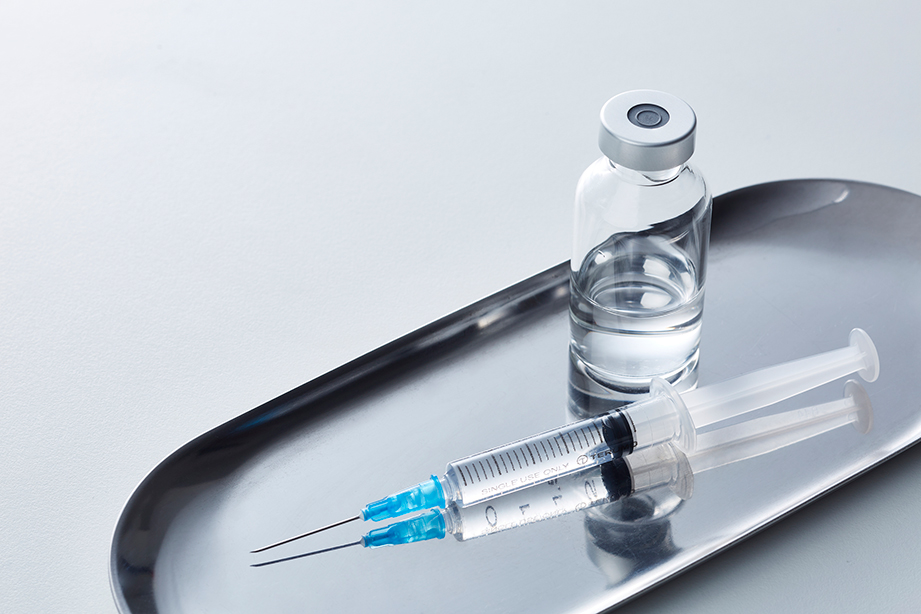
The doctor gently inserts the lubricated colonoscope and carefully advances it through the colon. CO₂ is used to expand the colon and provide a clear view while helping reduce bloating and discomfort.
The doctor examines the colon lining in real time on a high-resolution monitor.
If necessary, procedures such as a biopsy, polyp removal, or removal of a foreign object may also be performed during the examination.
Step 4: After the Examination and Your Results
Once the examination and any necessary procedures are complete, the colonoscope is gently removed and you can get dressed.
Images and other relevant examination data are recorded and stored for review.
The doctor will review the findings with you and provide an examination report, usually within 10–15 minutes after the procedure.
After Your Colonoscopy
Going Home
After the doctor has explained your results and provided your examination report, you can go home the same day.

Eating After the Examination
If your colonoscopy was for examination only, with no biopsy or polyp removal, you may eat normally after the procedure.


If a polyp was removed, the doctor will give you specific dietary instructions for the following few days. Please follow these instructions carefully.
What You May Notice
For the first day or two after the examination, you may experience:
• Mild abdominal bloating
• A very small amount of blood after a bowel movement

When to Contact the Clinic
Please contact the clinic promptly if:
• Abdominal pain becomes more severe
• Bleeding increases noticeably
Follow any additional instructions provided by the doctor after your examination.

Understanding Your Colonoscopy Report
Your colonoscopy report will summarize the findings from your examination,
including:
• The condition of the colon lining, including any visible abnormalities
• The shape and openness of the colon, including any narrowing or other changes
• Any abnormal areas found, such as ulcers, polyps, or other lesions, including their size and location
• Any procedures performed, such as a biopsy or polyp removal
The doctor will explain the findings to you and discuss whether any further
evaluation, treatment, or follow-up is needed.

How to Request an Appointment
You can request an appointment for a colonoscopy at Horii Clinic in either
of the following ways:
• Submit an appointment request through the online form on our website
• Speak to our reception staff when visiting the clinic
For information about consultation, examination, and procedure fees, please see our Fees and Pricing page.
Please note that all examinations and procedures require a medical consultation
with the doctor beforehand.