- Where Can I Have a Gastroscopy or Colonoscopy in Osaka?
- How to Book an Endoscopy
- What Types of Endoscopy Are Available?
- When May an Endoscopic Examination Be Recommended?
- What to Expect Before and During Your Endoscopy
- Preparing for Your Endoscopy
Where Can I Have a Gastroscopy or Colonoscopy in Osaka?
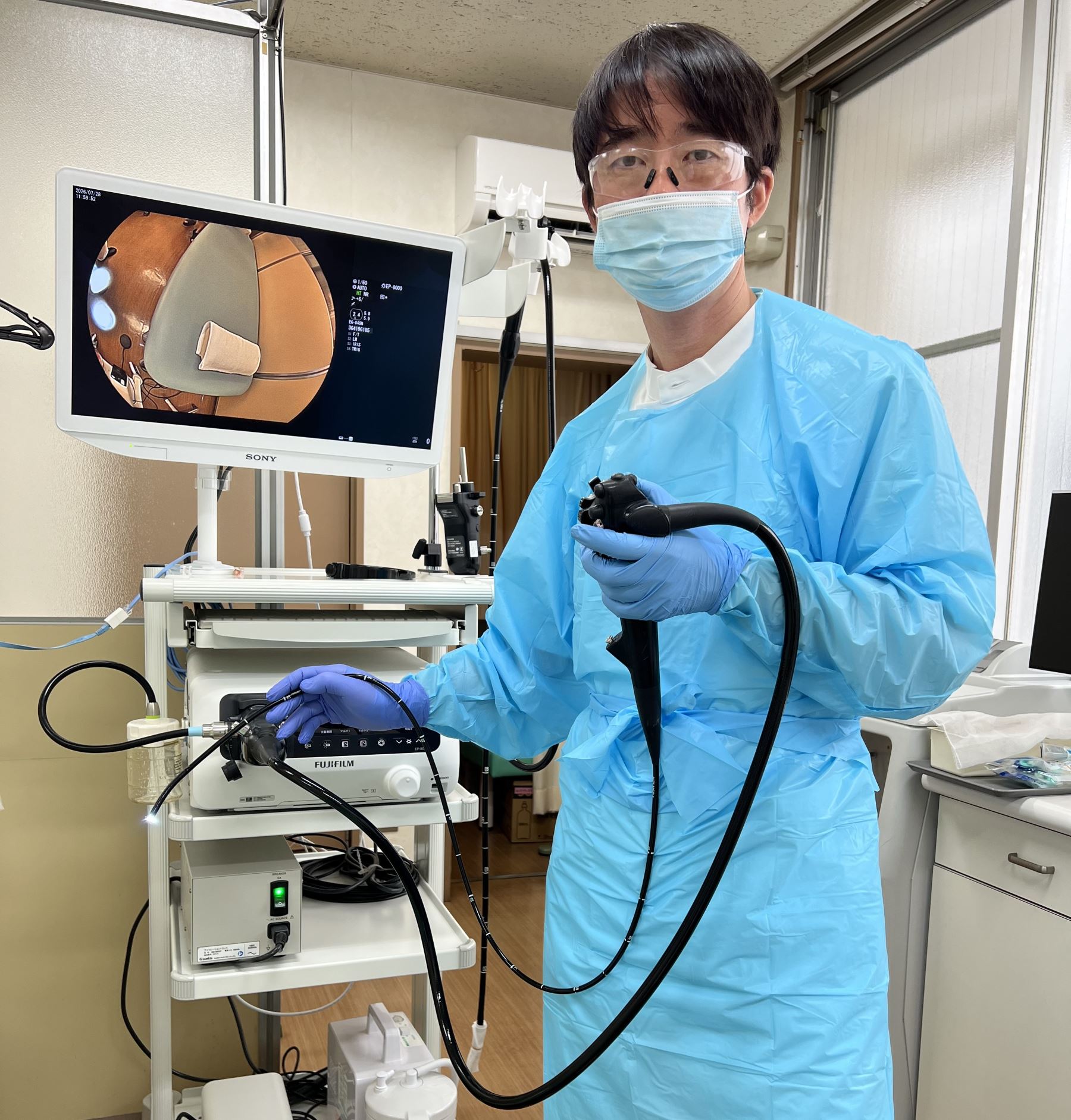
Horii Clinic provides upper gastrointestinal (GI) endoscopy and colonoscopy in Ibaraki, Osaka.
All endoscopic examinations at our clinic are performed by an experienced specialist in gastrointestinal endoscopy. We aim to make each examination as comfortable as possible while providing careful, detailed evaluation.
Our high-definition endoscopy system allows the doctor to examine the lining of the gastrointestinal tract in detail and identify subtle abnormalities. When appropriate, procedures such as a biopsy or polyp removal may also be performed during the examination.
We take the time to provide attentive, individualized care and to explain the examination clearly to each patient.
How to Book an Endoscopy

You can request an appointment for a gastroscopy or colonoscopy in either
of the following ways:
• Submit an online appointment request through our website
• Speak to our reception staff when you visit the clinic
For information about examination and procedure fees, please see our Fees and Pricing page.
Please Note
• The prices shown on our website are for reference only and may not represent the final amount charged.
• All examinations and procedures require a medical consultation with the doctor beforehand.
• The final cost will depend on the services provided and may include consultation, examination or procedure, and prescription fees, as applicable.
What Types of Endoscopy Are Available?
Horii Clinic offers the following endoscopic examinations:
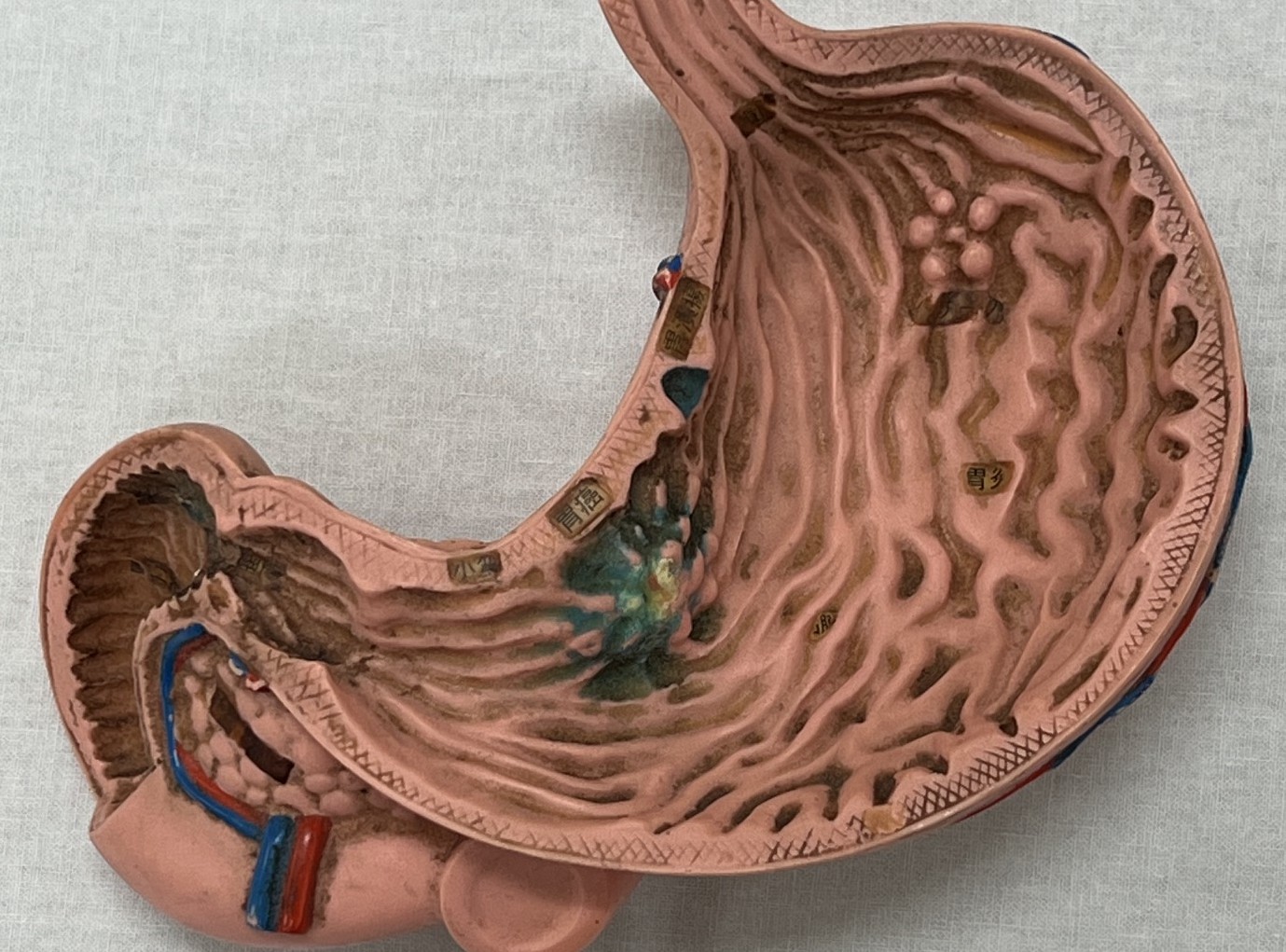
Upper Gastrointestinal (GI) Endoscopy (Gastroscopy)
Examines the esophagus, stomach, and duodenum.
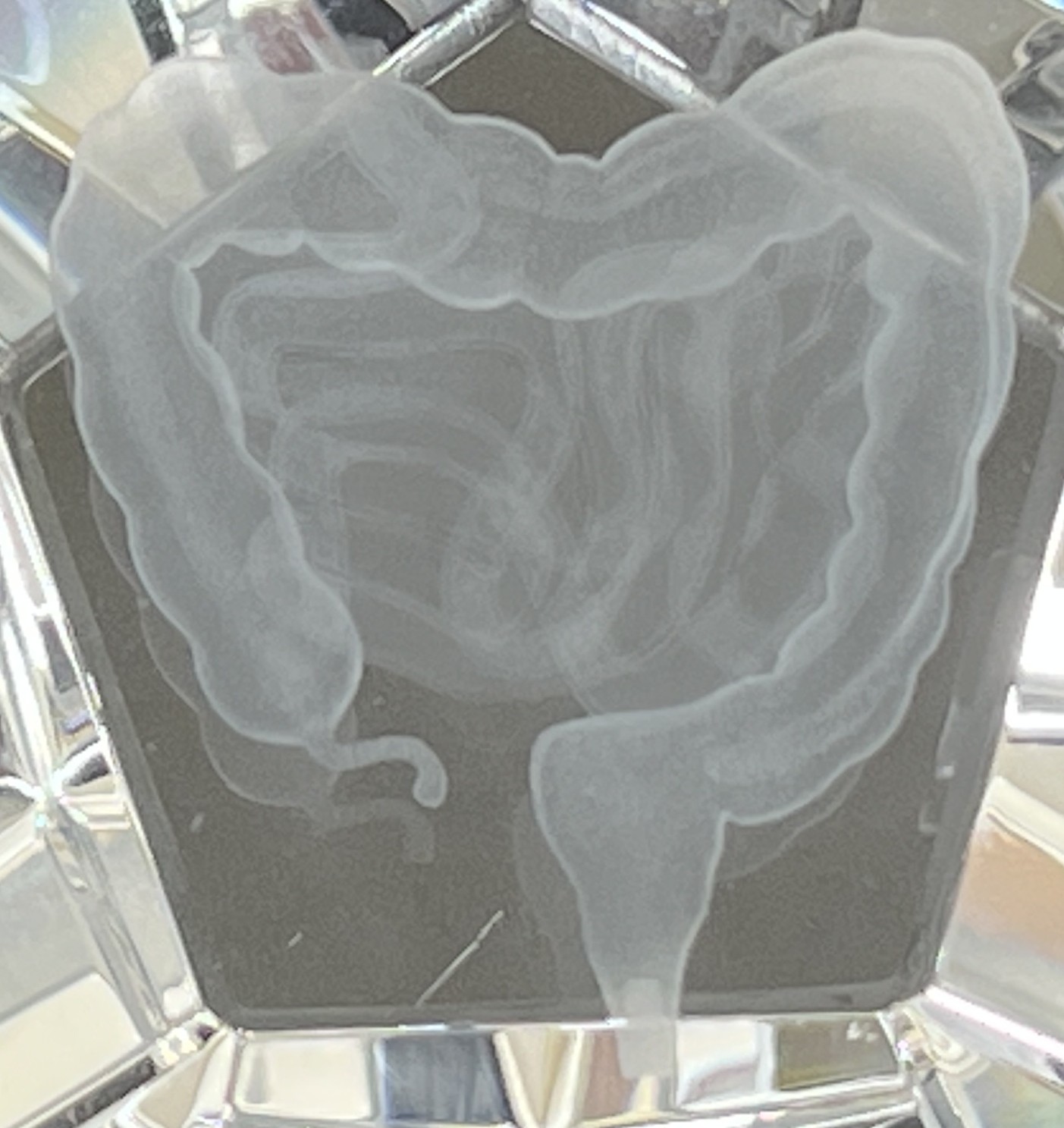
Colonoscopy
Examines the colon and terminal ileum.
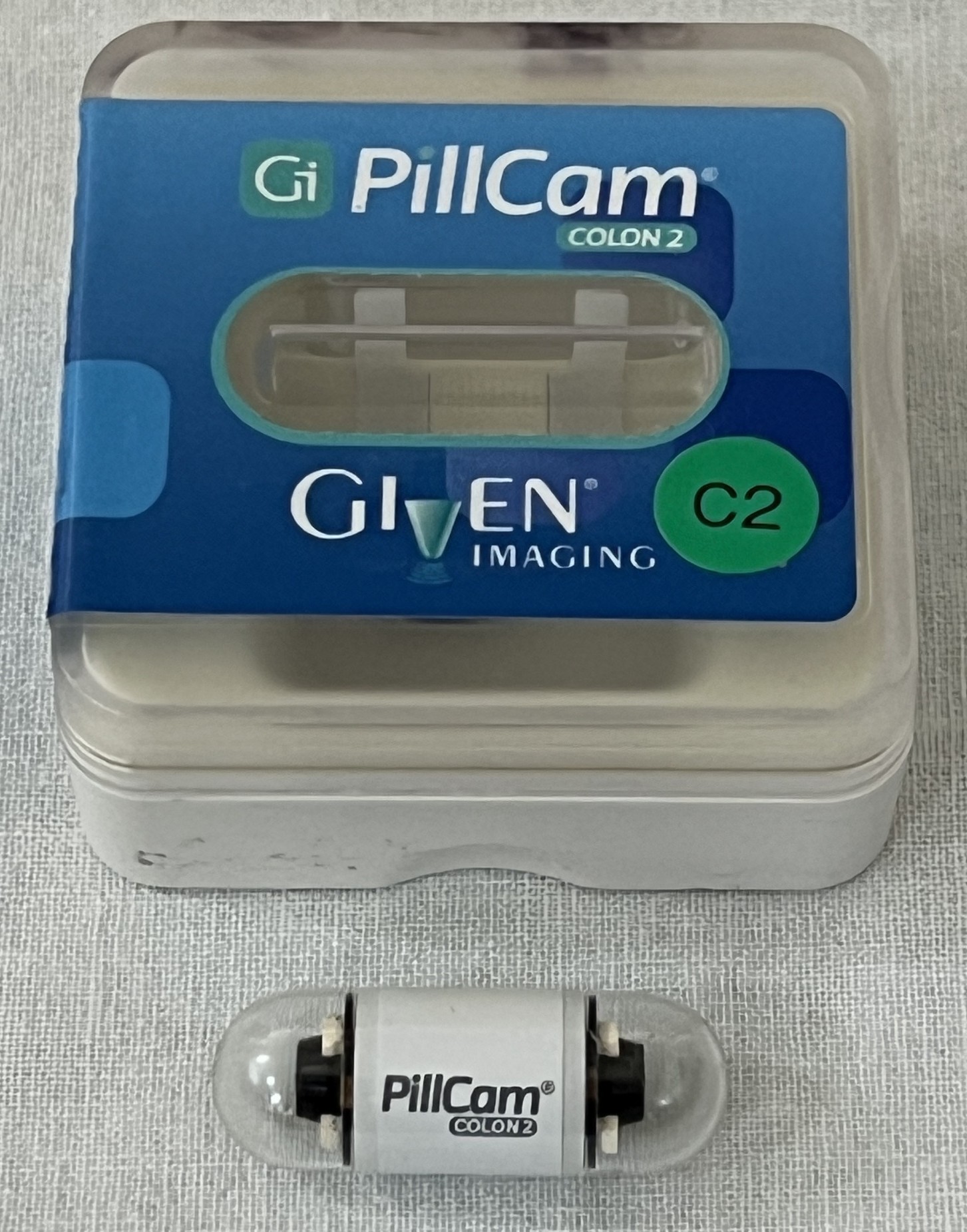
Capsule Endoscopy
A small capsule containing a camera is swallowed to examine the gastrointestinal tract.
When May an Endoscopic Examination Be Recommended?

An endoscopic examination may be recommended in situations such as the following:
• Abdominal pain that changes in location, intensity, or duration
• Heartburn or a bitter taste in the mouth
• A suspected foreign object in the gastrointestinal tract
• A suspected benign tumor
• Further evaluation of a detected malignant tumor
• Further examination to establish an accurate clinical diagnosis
• Evaluation before planned surgery
• Follow-up after surgery
• Assessment of the effectiveness of prescribed treatment
What to Expect Before and During Your Endoscopy

Initial Consultation
At your initial consultation, the doctor will discuss your symptoms and medical history with you in detail.
The doctor will ask about your current symptoms, when they began, your previous medical conditions and treatments, any chronic or hereditary conditions, and any allergies to medications or foods.
Please bring any relevant test results or medical records you may have. The doctor will review these carefully before the examination.
Before the Examination
The doctor will explain:
• How the examination will be performed
• Important precautions before and during the examination
• Any discomfort you may experience
• What to expect after the examination and when you can return to your
usual activities
Your safety is our priority. Before proceeding, the doctor will check for any factors that may make the examination unsuitable or require special precautions. Additional tests may be recommended when necessary.
Preparing for Your Endoscopy

Gastroscopy (Upper GI Endoscopy)
Gastroscopy is performed on an empty stomach. Please follow the preparation instructions provided by the clinic before your examination.
Colonoscopy and Capsule Endoscopy
Preparation includes dietary restrictions, thorough bowel cleansing, and taking the medication prescribed by the doctor. Please follow the preparation instructions carefully.
During the Examination
Once the necessary preparation has been completed, the doctor will begin the examination.
The doctor will carefully examine the gastrointestinal tract on the monitor
and assess any abnormalities identified during the examination. When appropriate,
necessary procedures may be performed at the same time.
After the Examination
After the examination, the doctor will prepare a detailed report.
Examination data are stored digitally, and important images may be printed
when necessary.