- Abdominal Ultrasound
- Preparing for Your Abdominal Ultrasound
- What to Expect During Your Abdominal Ultrasound
- Understanding Your Ultrasound Results
- When an Abdominal Ultrasound May Be Recommended
- Is Abdominal Ultrasound Safe?
- When an Examination May Need to Be Postponed
- How Long Does an Abdominal Ultrasound Take?
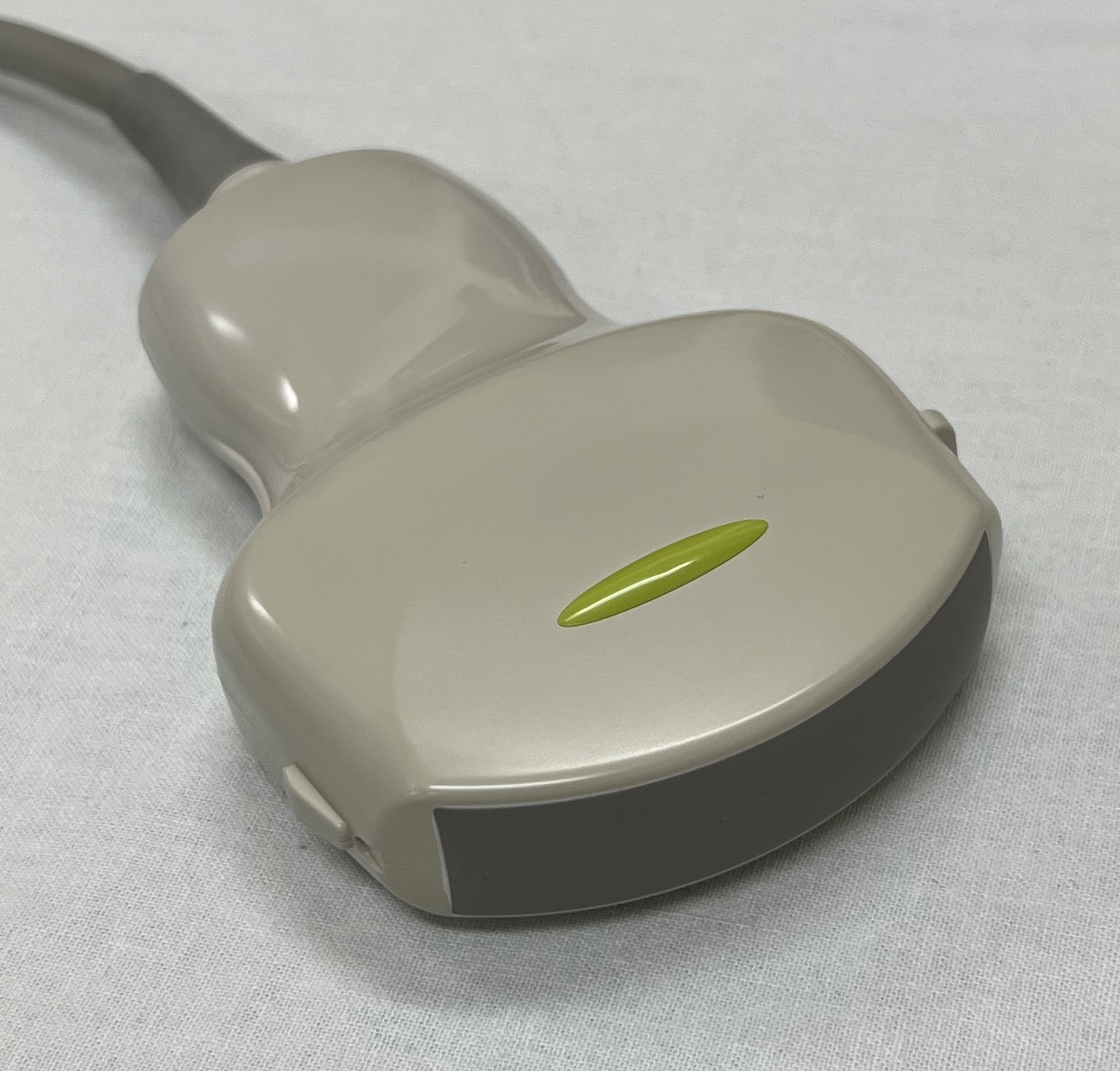
Abdominal Ultrasound
An abdominal ultrasound is a safe, non-invasive imaging examination that uses sound waves to produce images of the organs and structures inside the abdomen.
At Horii Clinic, abdominal ultrasound examinations are performed in a calm
and comfortable setting. Unlike MRI, ultrasound does not require you to
enter an enclosed space and does not produce loud noises during the examination.
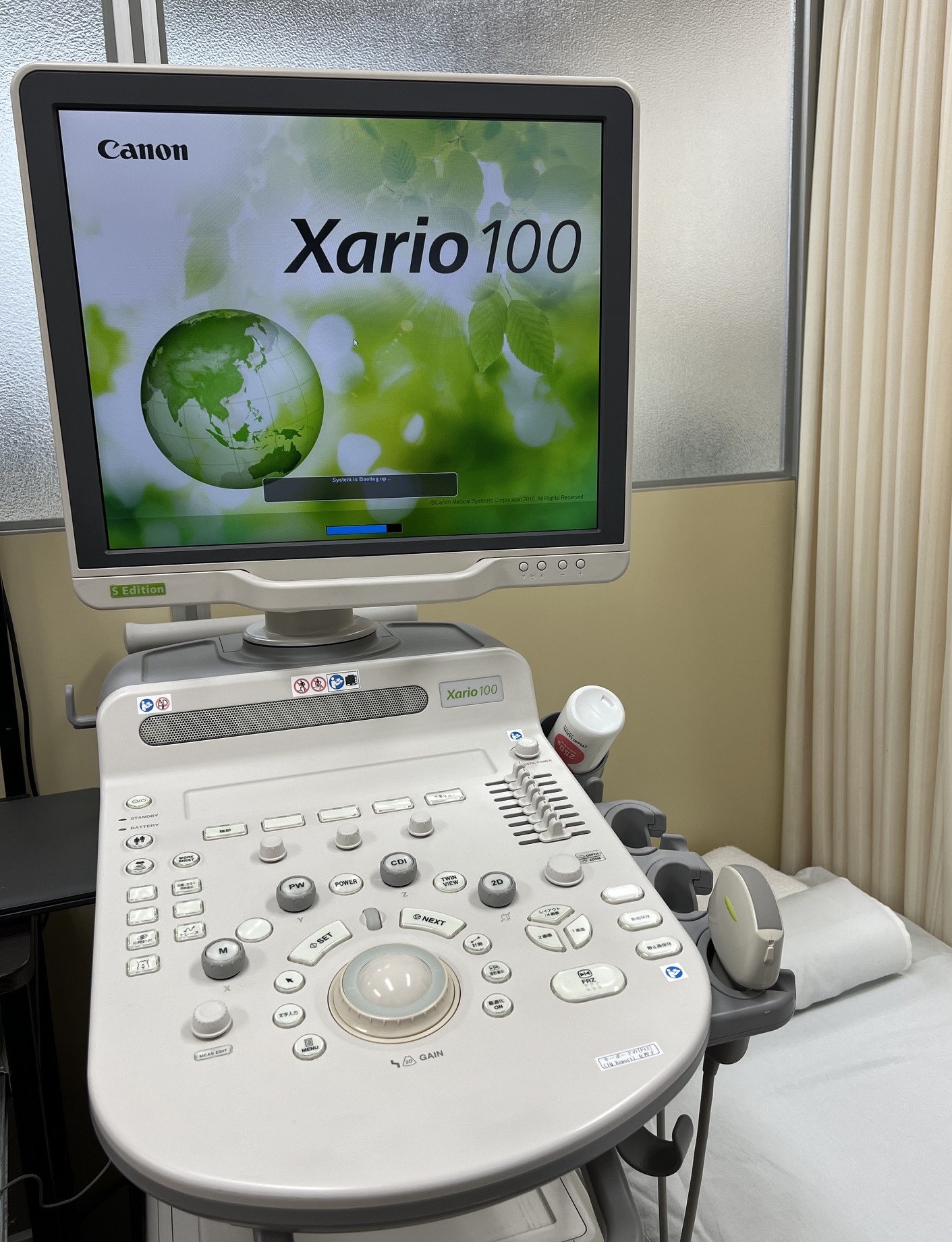
Clear Imaging with Advanced Ultrasound Equipment
Our clinic uses advanced ultrasound equipment to obtain clear, detailed images of the abdominal organs and surrounding structures. These images help the doctor assess your condition and identify abnormalities that may require further evaluation or treatment.
The examination is performed by an experienced physician who will carefully evaluate the ultrasound findings together with your symptoms, medical history, and other relevant test results.
A Simple, Comfortable Examination
Abdominal ultrasound is non-invasive and does not use radiation. The examination itself is generally painless and can be completed within a short period of time.
We aim to make the entire process as smooth and comfortable as possible, from your arrival at the clinic through to the examination and explanation of your results.
If you are looking for an abdominal ultrasound examination in Osaka, please
contact Horii Clinic to make an appointment.
Preparing for Your Abdominal Ultrasound
Proper preparation is important to ensure that we can obtain clear and accurate ultrasound images. Please follow the instructions below before your examination.
Eating and Drinking

Please finish your last meal 8–10 hours before your scheduled examination.
During the fasting period, please do not eat any food. You may drink plain water without sugar or other additives.
If your examination is scheduled for the evening, you may have a light breakfast in the morning. After breakfast, please do not eat again until your examination has been completed.
If an ultrasound is required urgently, the doctor may decide to perform
the examination regardless of when you last ate.
Medications

If you take essential medications regularly, please consult the doctor in advance. Do not change or stop your regular medication unless instructed to do so by a healthcare professional.
What to Wear

We recommend wearing comfortable, loose-fitting clothing that makes it easy to expose your abdomen. Two-piece clothing, such as a separate top and trousers or skirt, is preferable.
What to Bring

Please bring:
• A valid form of identification, such as your passport or health insurance
card
• Any relevant medical records you may have, including previous test results
or a referral letter
If you are unsure about how to prepare for your abdominal ultrasound, please
contact the clinic before your appointment.
What to Expect During Your Abdominal Ultrasound

An abdominal ultrasound is a quick and straightforward examination. The scan itself usually takes approximately 3–5 minutes.
Please arrive a little before your scheduled appointment to allow enough time for check-in and preparation.
During the Examination
You will be asked to expose your abdomen and lie on your back on the examination bed.
The doctor will apply a small amount of ultrasound gel to your abdomen. This gel helps the ultrasound probe make good contact with your skin and allows clear images to be obtained.
The doctor will then gently move the probe over your abdomen while viewing images of your internal organs on the ultrasound monitor. Measurements and images needed for evaluation will be recorded during the examination.
The examination is non-invasive and generally painless.
After the Examination
Once the scan is complete, you can wipe the gel from your abdomen and get dressed.
The ultrasound findings are reviewed immediately after the examination. According to our standard procedure, your report and ultrasound images will be available approximately 10–15 minutes after the examination.
Understanding Your Ultrasound Results
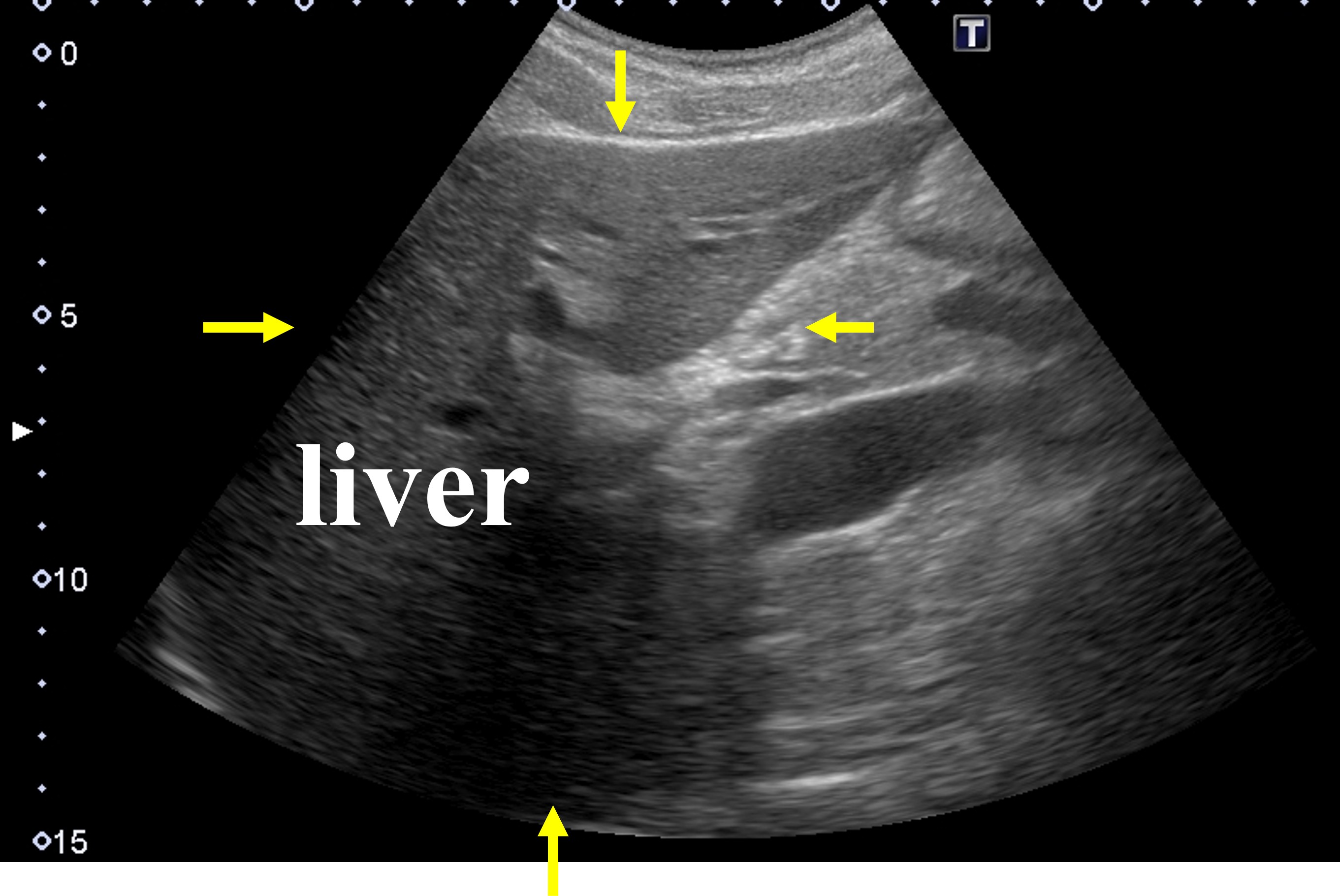
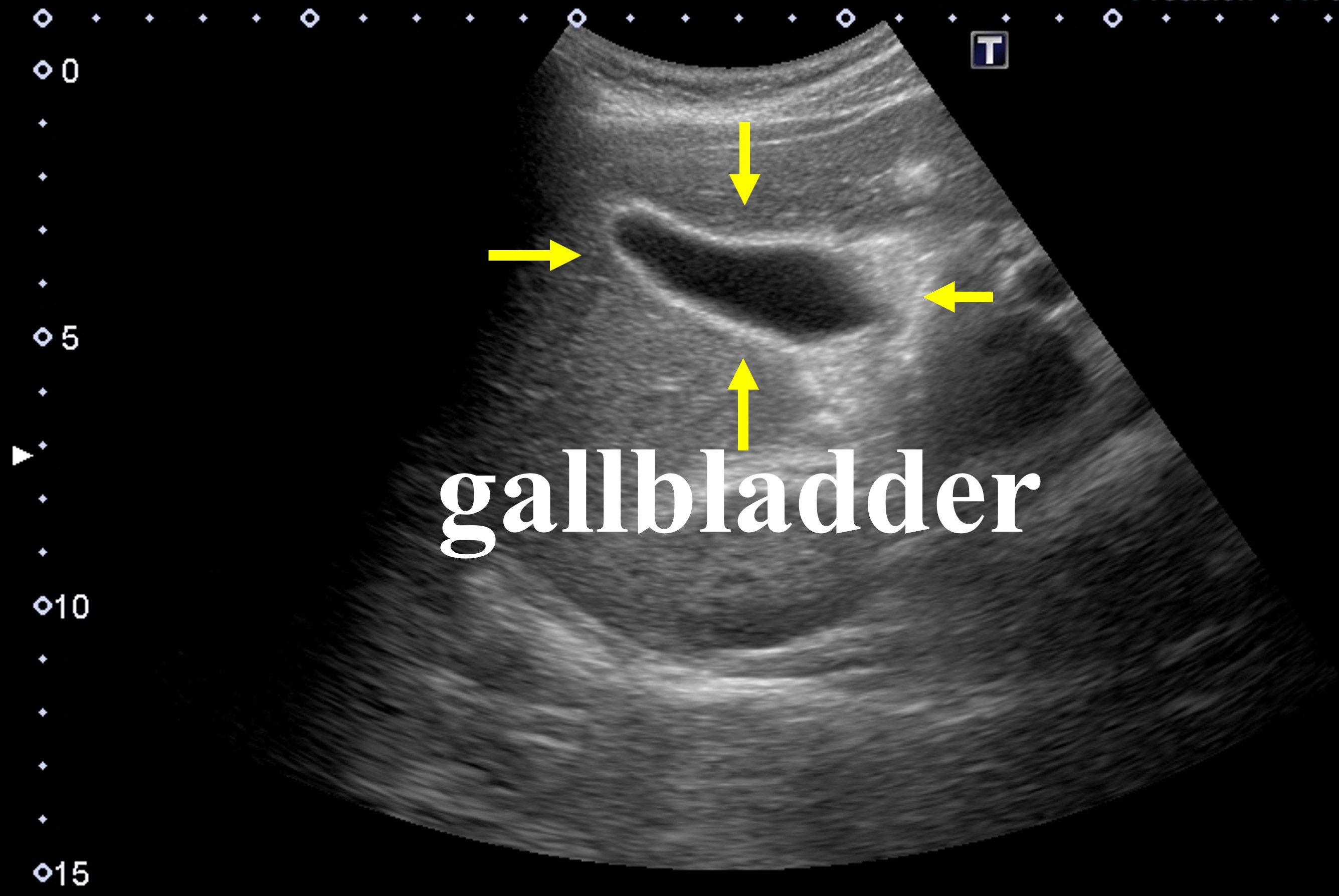
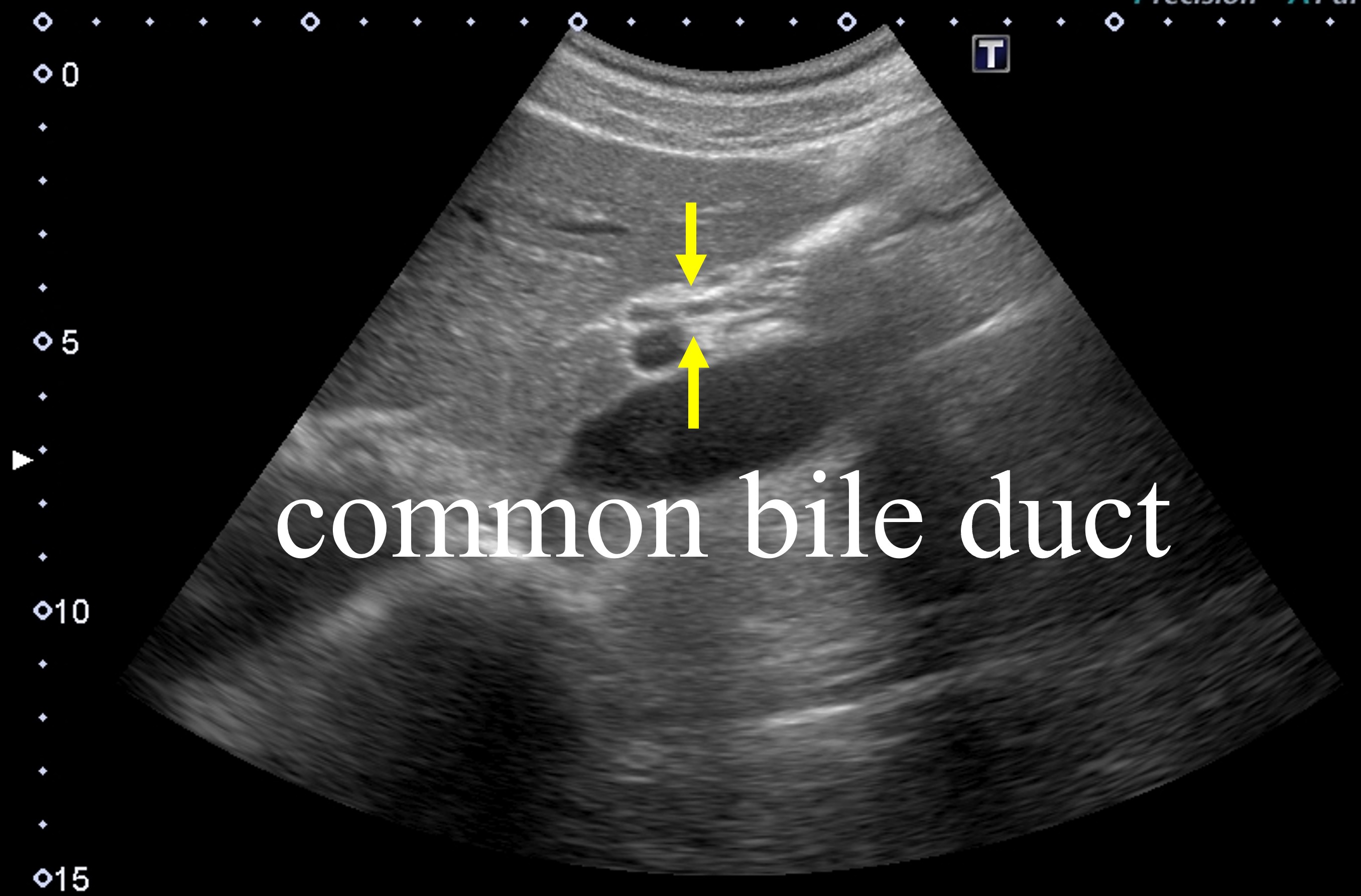
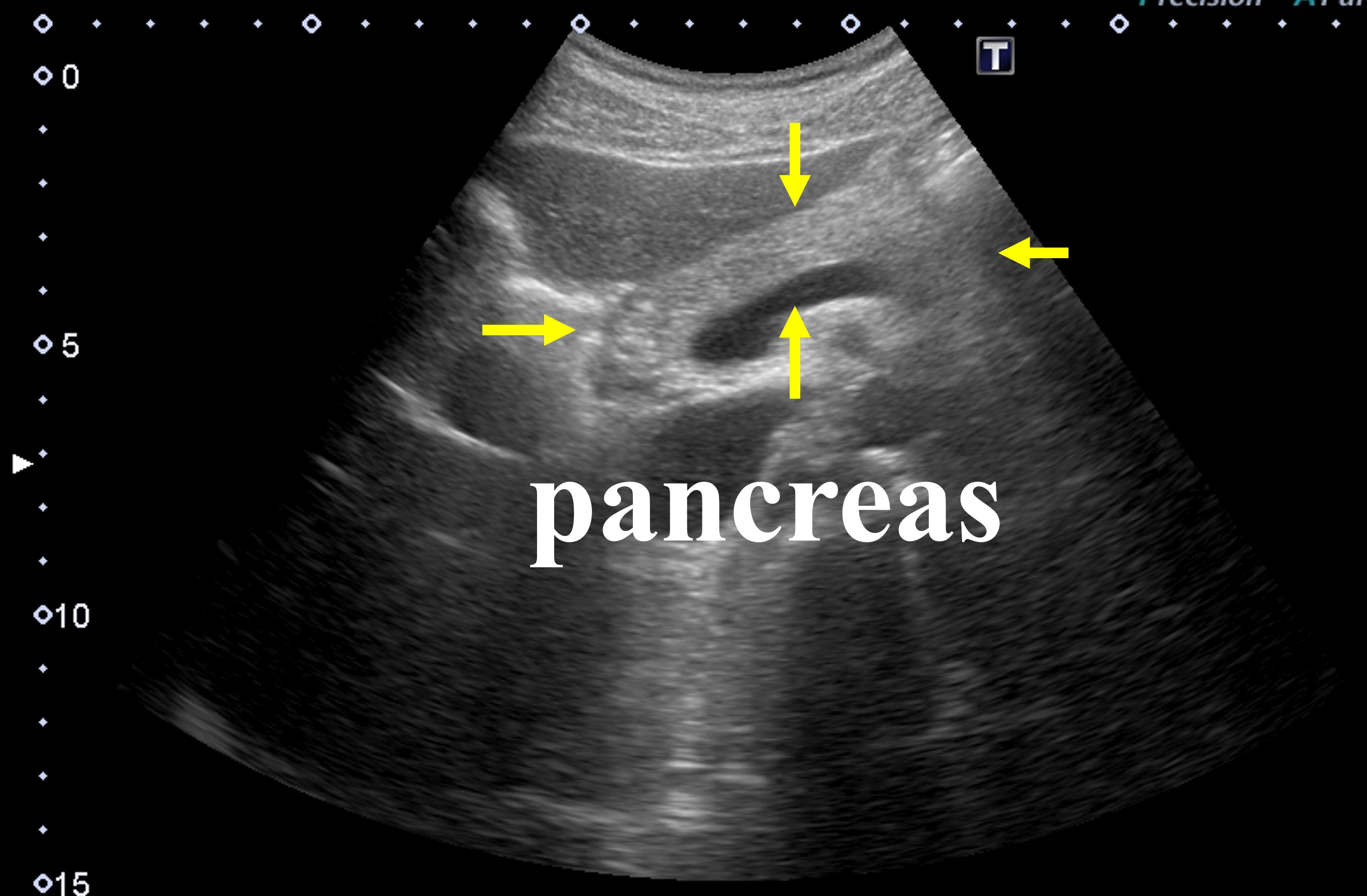
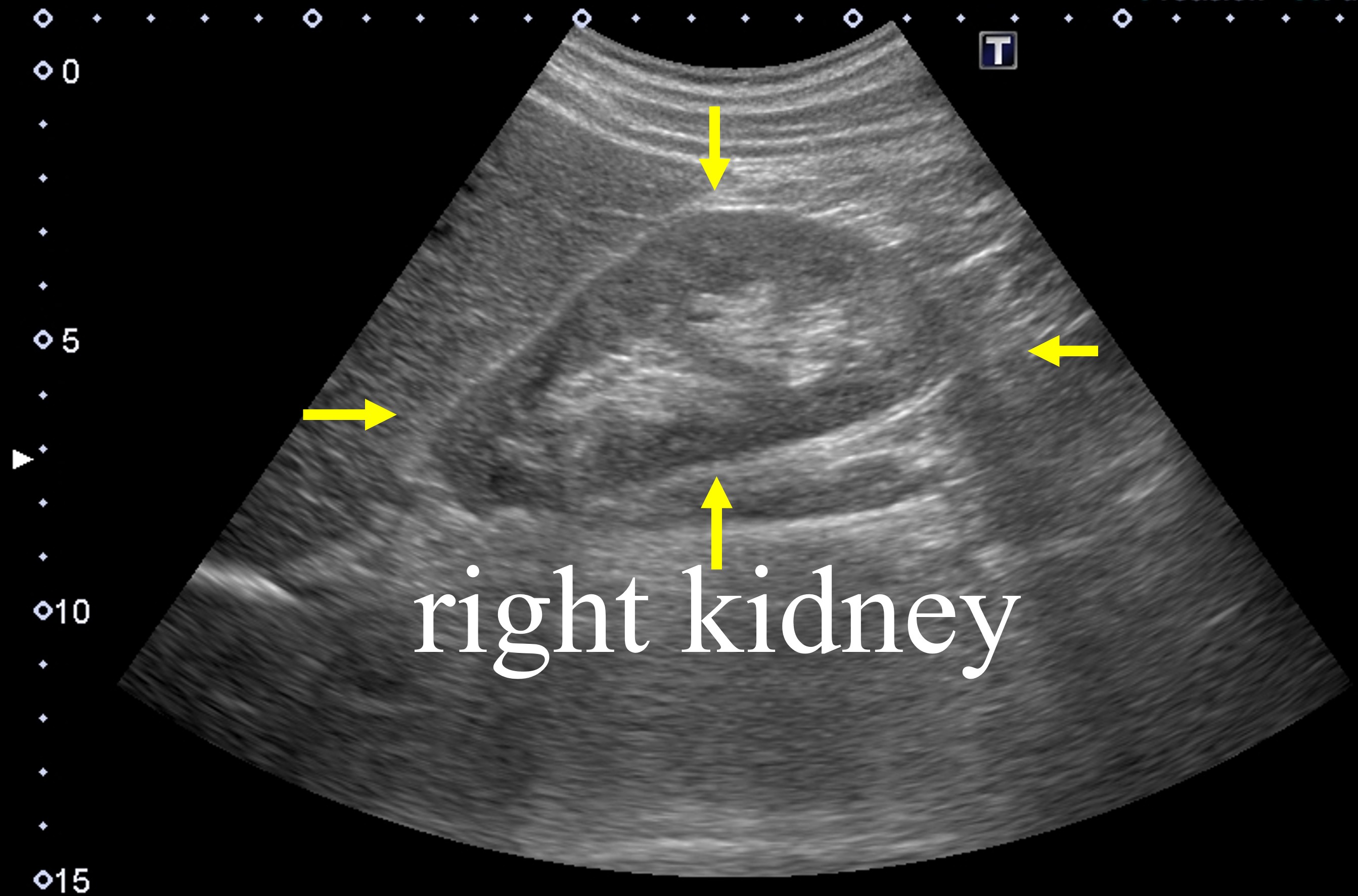
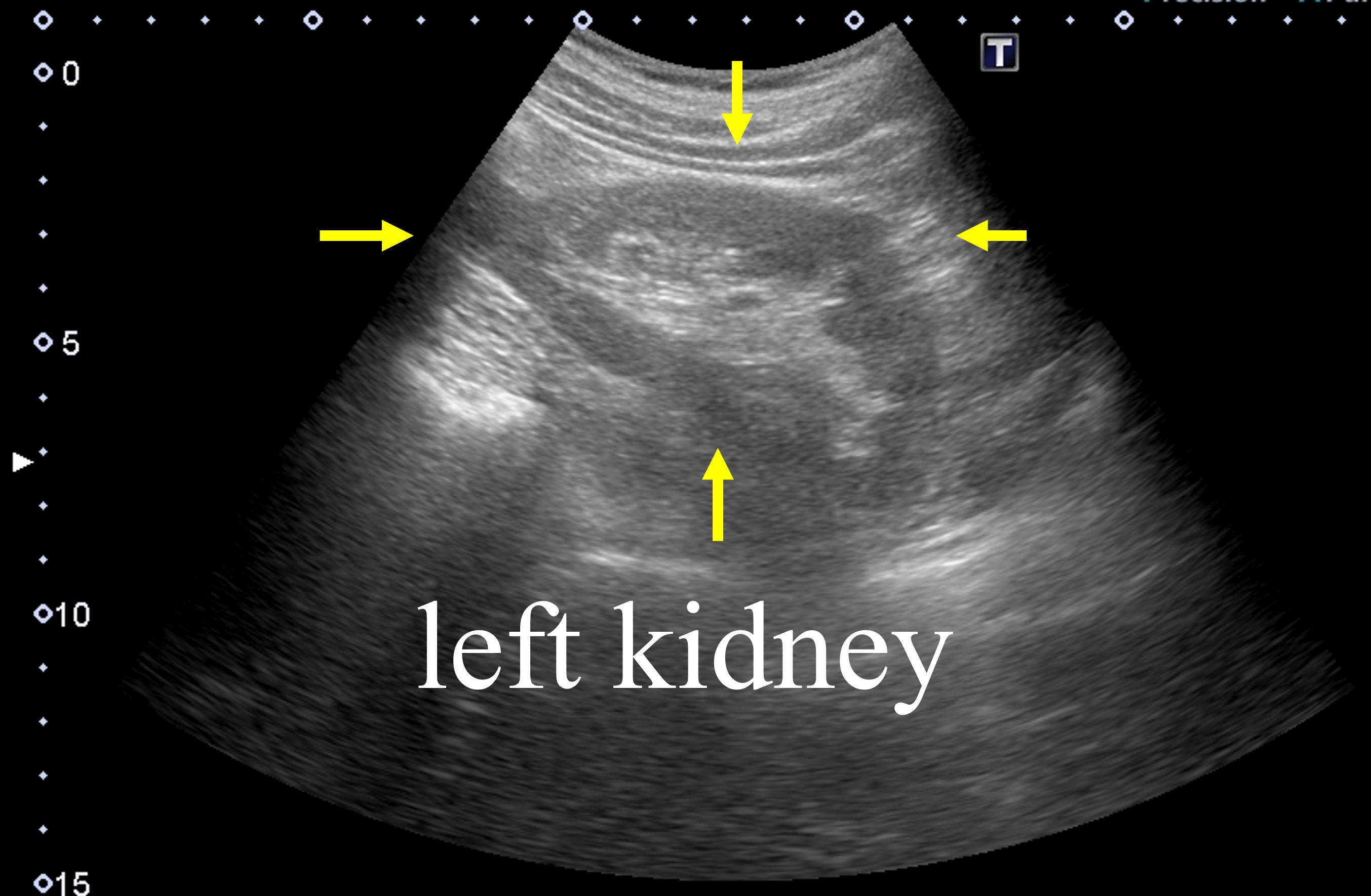
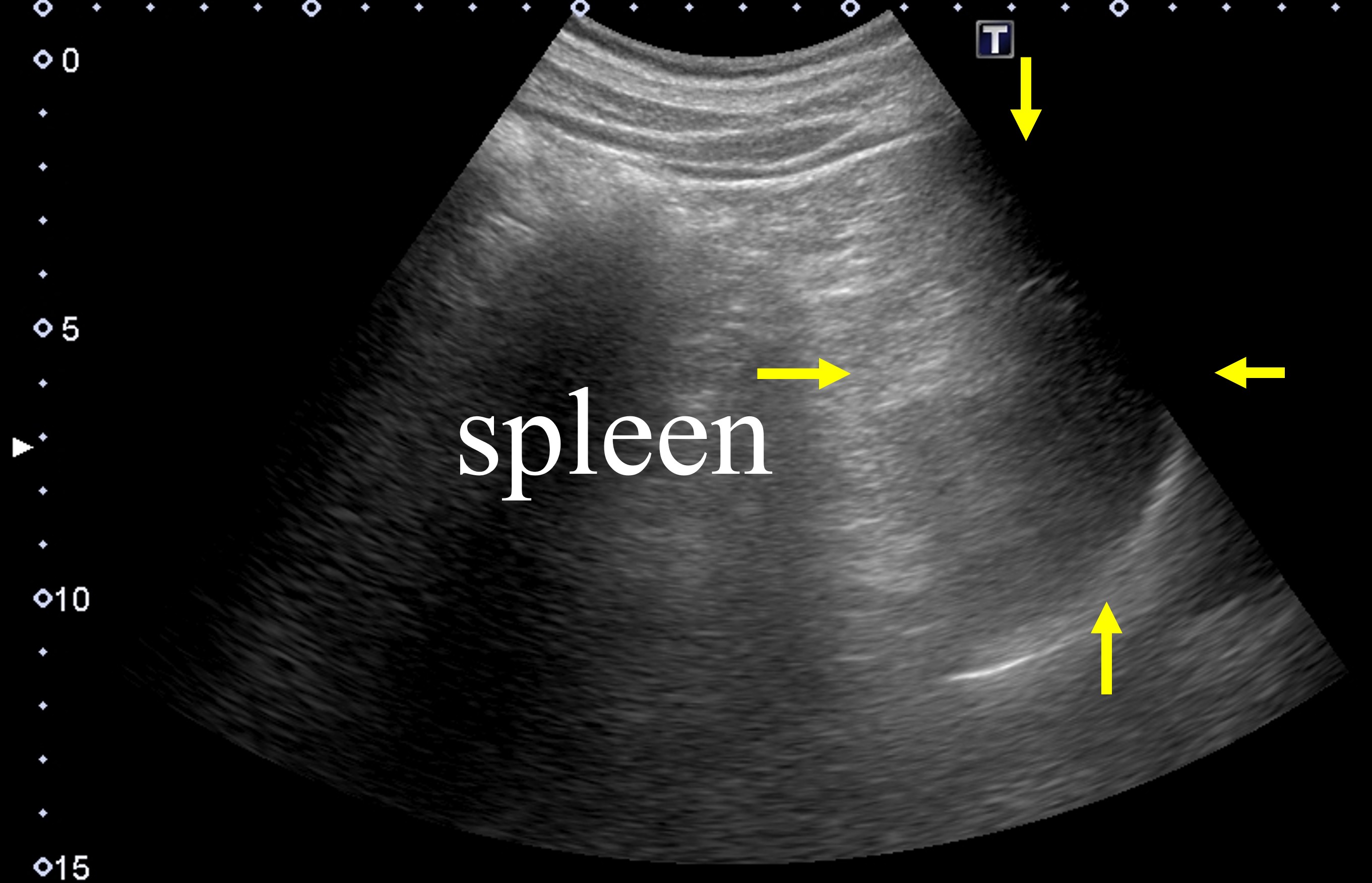
Your ultrasound report will describe the findings from the organs and structures examined, which may include theliver, gallbladder, bile ducts, pancreas, spleen, kidneys, and blood vessels.
The doctor will review your ultrasound findings together with your symptoms, medical history, and any other relevant test results. This overall assessment helps the doctor determine a diagnosis and, when necessary, recommend an appropriate treatment plan or further evaluation.
Your results will be explained to you after the examination, and you will
have an opportunity to ask questions about the findings.
When an Abdominal Ultrasound May Be Recommended

An abdominal ultrasound may be recommended if you have certain symptoms, abnormal blood test results, or a medical condition that requires further evaluation.
Your doctor may recommend an abdominal ultrasound for:
• Unexplained abdominal bloating or excessive gas
• Nausea, vomiting, or unexplained belching
• Pain below the right ribs
• Persistent discomfort or a feeling of heaviness in the right upper abdomen
• Yellowing of the skin or eyes (jaundice)
• Suspected or previously diagnosed parasitic infections, including echinococcosis
• Abnormal blood test results, such as elevated liver enzymes (AST/ALT)
or bilirubin
• Suspected benign or malignant tumors
• Inflammatory conditions affecting the digestive system
• Evaluation for possible metastatic disease
• Evaluation of fluid in the abdomen (ascites) or portal hypertension
• Further evaluation to help distinguish between conditions with similar
symptoms or findings
• Preoperative assessment
• Further evaluation to support or confirm a clinical diagnosis
• Routine health screening for the early detection of disease
If you have symptoms or abnormal test results and are unsure whether an abdominal ultrasound is appropriate for you, please consult the doctor.
Is Abdominal Ultrasound Safe?

Ultrasound is a non-invasive imaging examination that does not use radiation.
Pregnancy, childhood, and serious medical conditions are not, in themselves,
contraindications to ultrasound examination.
When an Examination May Need to Be Postponed

Your ultrasound may need to be postponed if you have a skin condition or
injury in the area to be examined, such as:
• An open wound
• A recent burn
• A skin ulcer or erosion
• A skin infection or other lesion with pus
If any of these apply to you, please let the clinic know before your examination.
In urgent situations, the doctor may decide that the ultrasound should be performed despite these conditions.
How Long Does an Abdominal Ultrasound Take?

The ultrasound scan itself usually takes approximately 3–5 minutes. You will normally lie on your back while the doctor examines your abdomen.
The ultrasound findings are reviewed immediately after the examination.